A mountain, a monument, and a city's identity
From early ideas in the 19th century to modern day visitors, Christ the Redeemer has become both a spiritual symbol and a civic landmark for Rio.
Table of Contents
Before the statue: Corcovado in early Rio
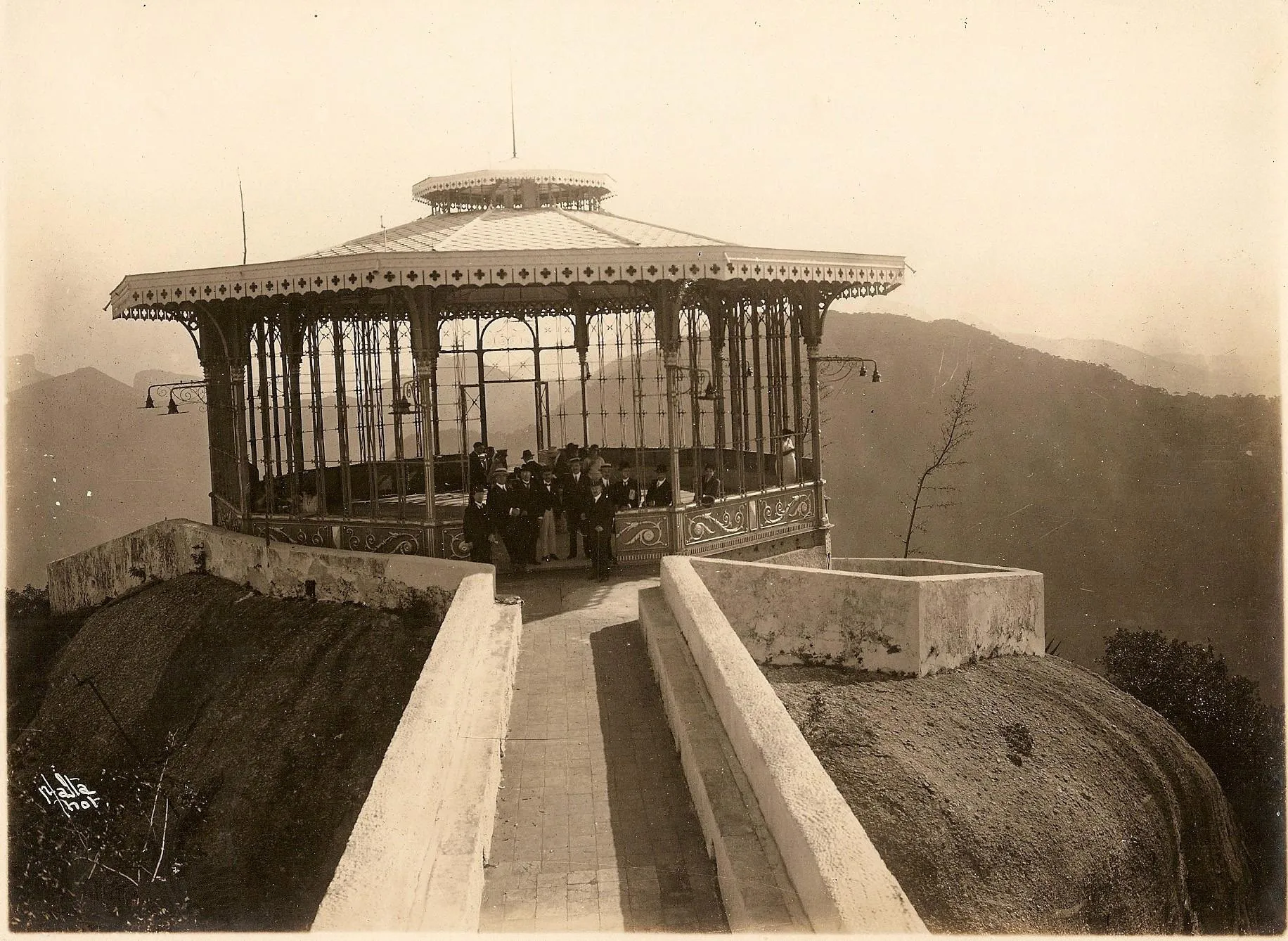
Long before Christ the Redeemer stood with open arms above the city, Corcovado Mountain was already a powerful visual anchor in Rio de Janeiro. The mountain's distinctive silhouette appeared in paintings, travel accounts, and local memory as Rio grew from colonial port to imperial and then republican capital. Residents looked up to Corcovado as a marker of orientation and weather; sailors saw it as part of the dramatic natural amphitheater that signaled arrival in Guanabara Bay. In practical terms, the mountain was difficult terrain, thickly vegetated and steep, but symbolically it was always present, almost like a silent witness to the city's rapid transformations.
By the late 19th century, Rio was modernizing with rail projects, boulevards, and new civic ideas, and Corcovado increasingly shifted from distant backdrop to potential destination. The opening of mountain access routes and the development of railway technology made the once remote heights more reachable. What had been an admired landscape feature began to be imagined as a stage for something larger: a place where engineering, faith, and public identity could meet in a single gesture visible across the city.
The idea of a monument on the mountain
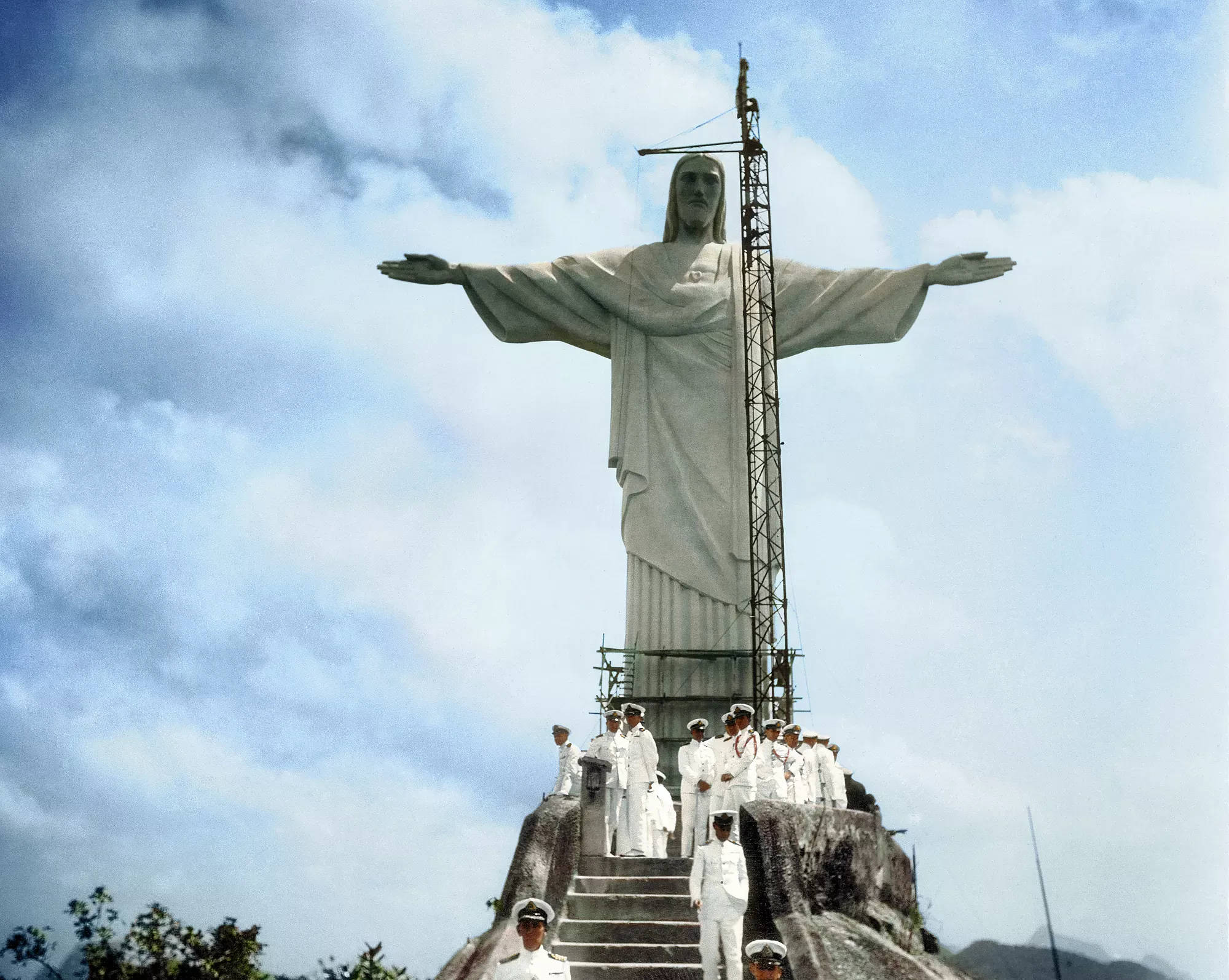
Proposals for a religious monument on Corcovado circulated in different forms over decades, reflecting the social and political debates of their time. After Brazil became a republic and church state relations changed, large public religious symbolism became a complex topic, yet the idea endured among Catholic groups and civic promoters who saw Corcovado as the ideal place for a unifying emblem. The eventual campaign gained momentum in the 1920s, when fundraising drives, parish support, and public enthusiasm began to align.
What is striking in retrospect is how the project blended devotion with nation building language. Supporters framed the future statue as both a spiritual beacon and a sign of modern Brazilian capability. It was not simply about placing stone on a mountain; it was about giving Rio an image that could be recognized instantly and interpreted emotionally by locals and visitors alike. That dual purpose helps explain why the monument became so iconic so quickly after completion.
Engineering the Corcovado Railway ascent
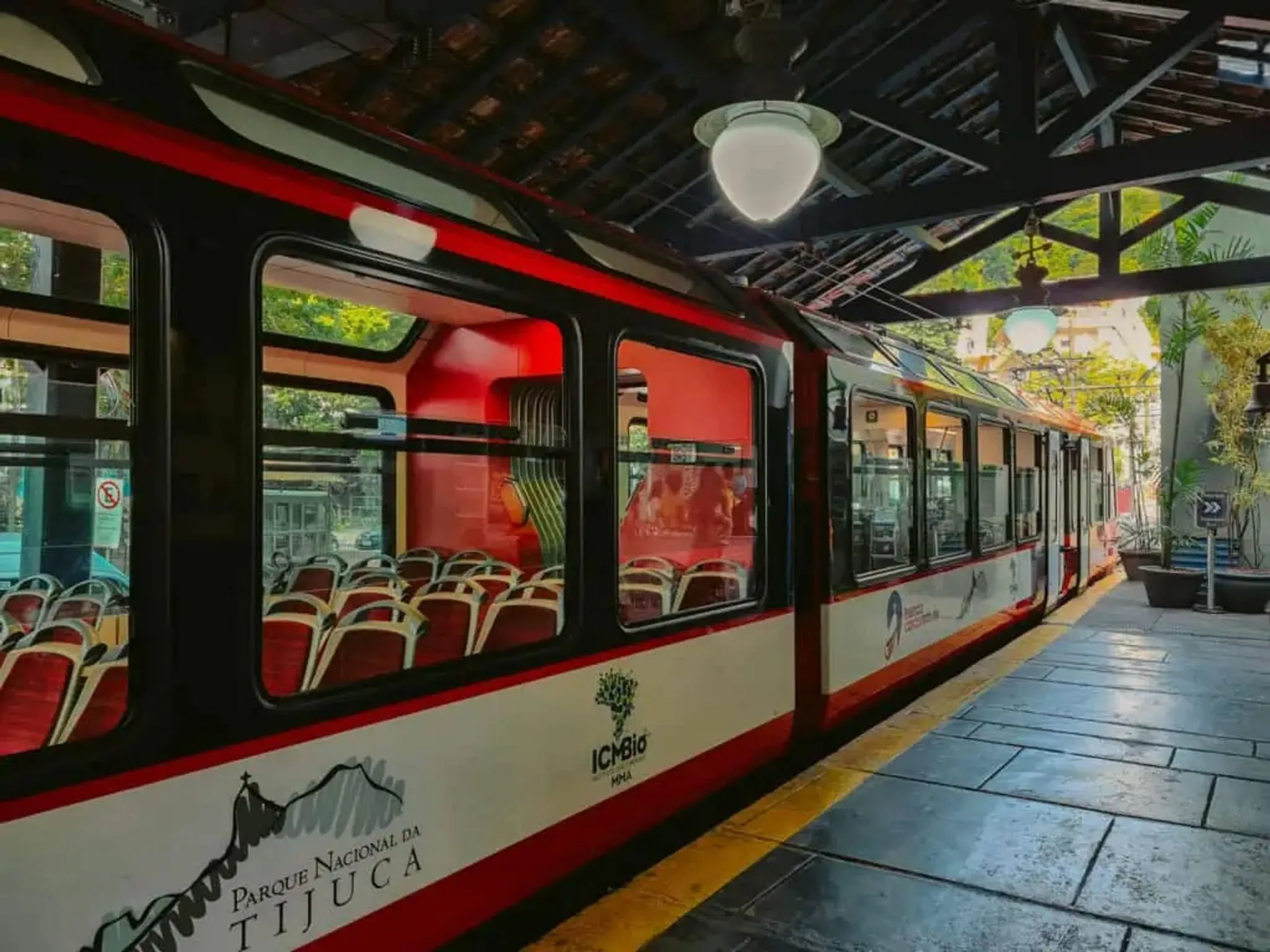
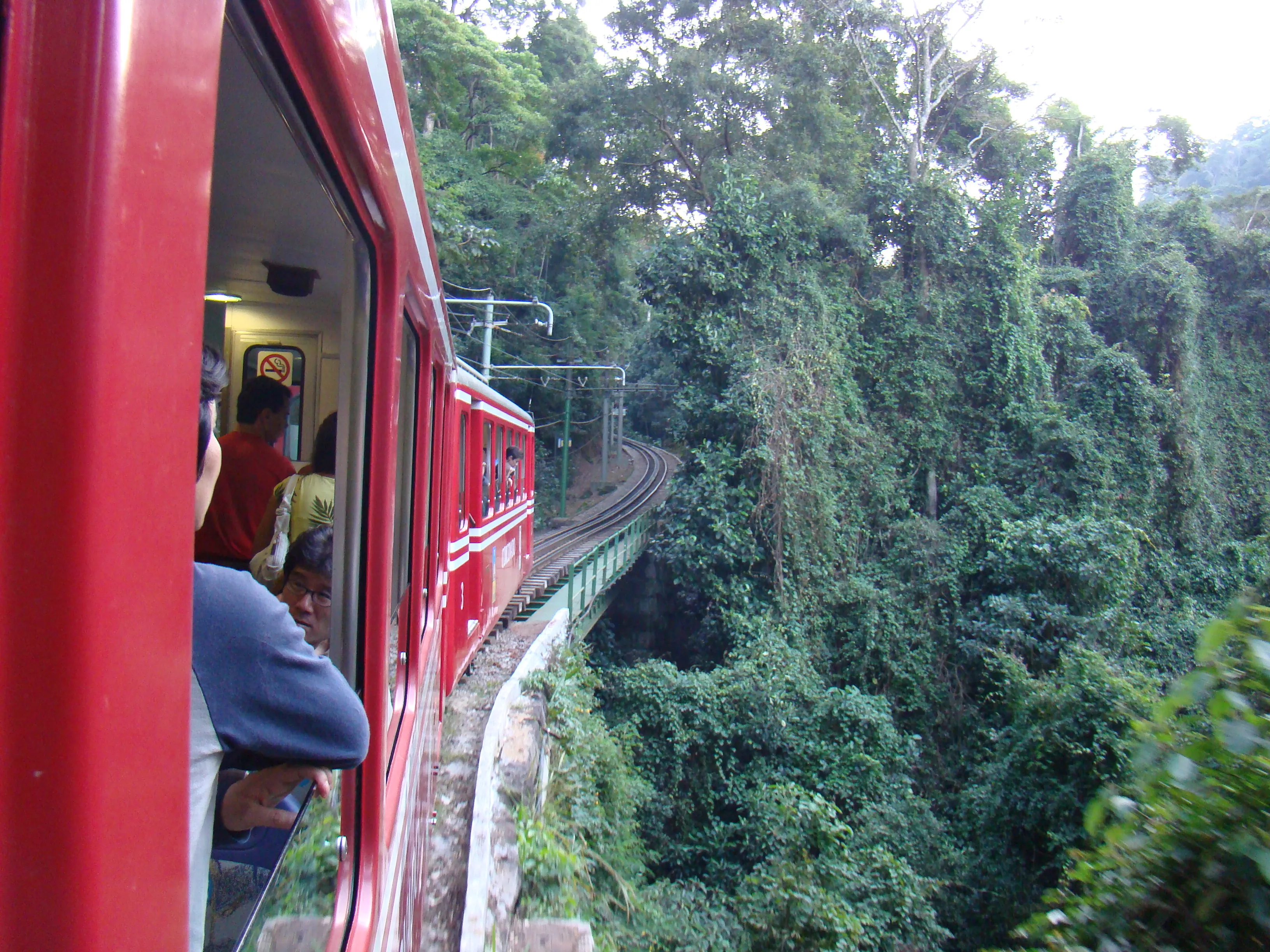
The railway up Corcovado, inaugurated in the late 19th century and later integrated into the monument experience, was an engineering achievement in its own right. Building a line through steep Atlantic Forest slopes required careful surveying, stable track design, and operational planning for weather and gradient constraints. Even today, riding this route gives visitors a physical sense of that challenge: the ascent is steady, the vegetation dense, and the city appears in fragments between trees.
An interesting fact many travelers miss is that the train predates the statue itself, meaning the mountain was already becoming a public excursion point before Christ the Redeemer was completed. That sequence mattered. Without reliable uphill transport, the monument would have felt more distant and less democratic. The railway effectively transformed the idea from symbolic dream to practical destination, allowing generations of residents, pilgrims, and tourists to share the same approach to the summit.
Designing Christ the Redeemer
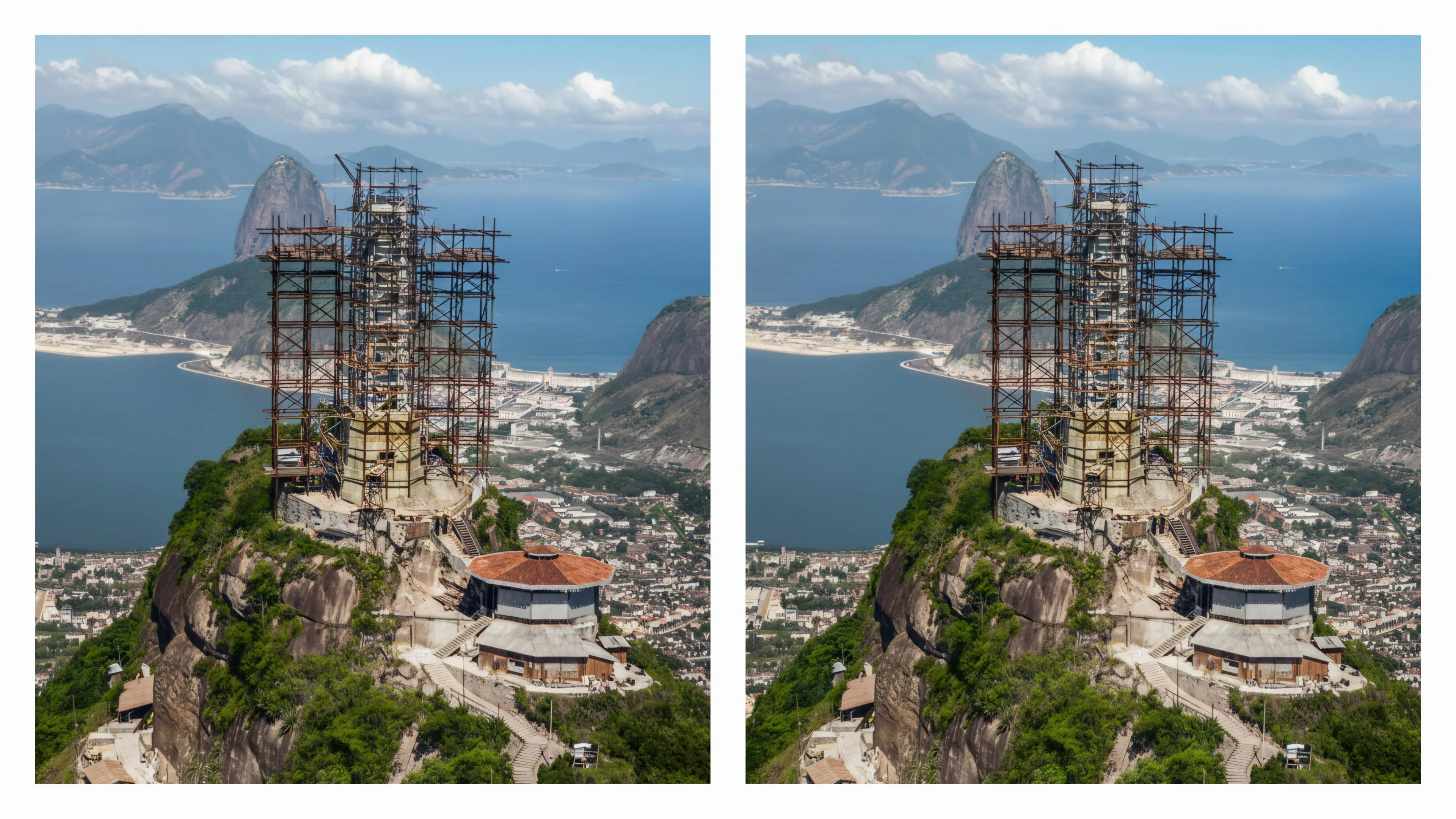
The final design of Christ the Redeemer went through conceptual refinement before settling on the now famous figure with outstretched arms. Engineers, architects, and sculptors collaborated across disciplines, balancing artistic intention with structural realities of wind, altitude, and long term durability. The chosen form needed to be legible from far away while also maintaining grace up close, no small feat at this scale.
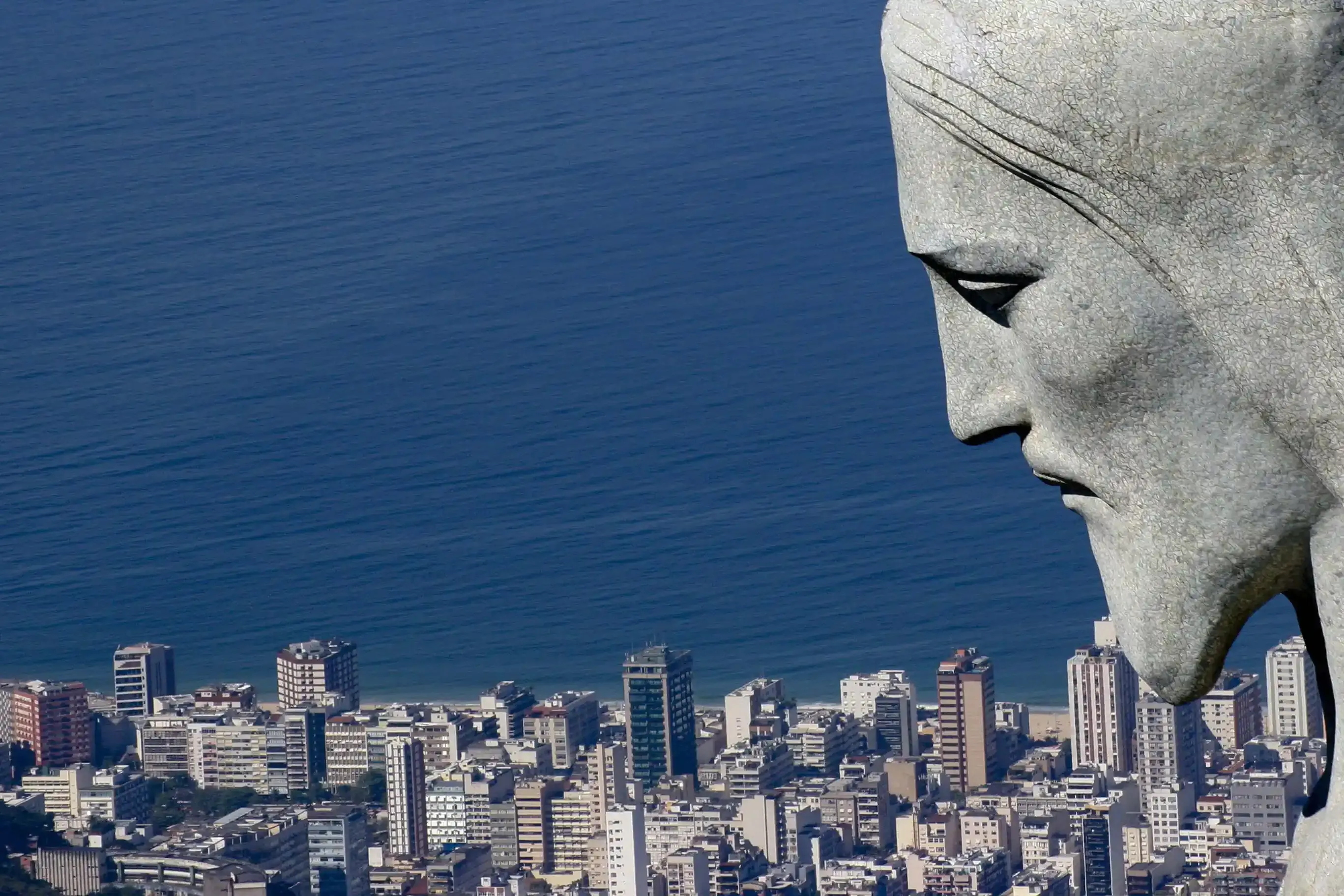
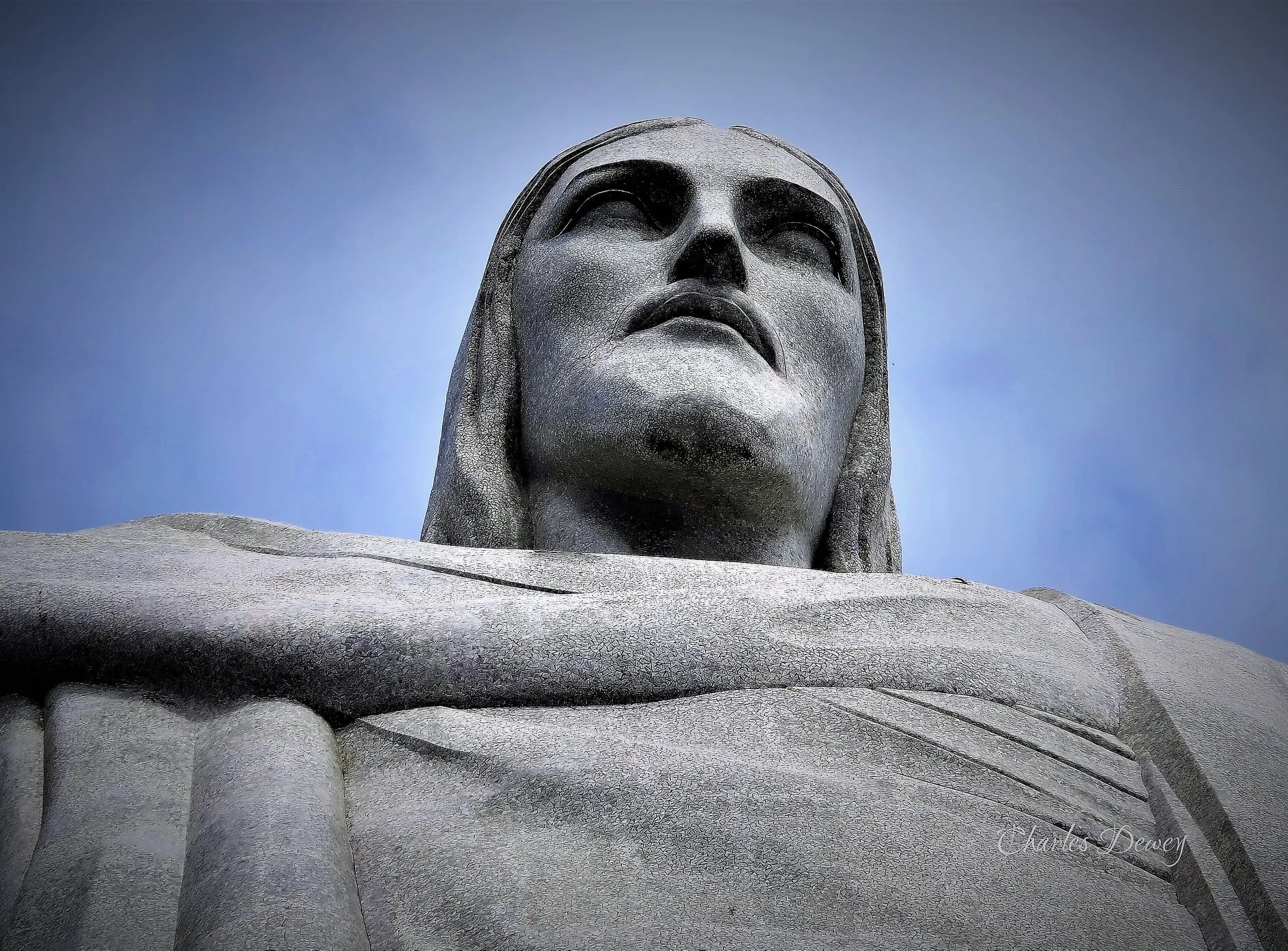
French Polish sculptor Paul Landowski is widely associated with the artistic development, while Brazilian engineer Heitor da Silva Costa played a central role in project conception and execution. The final outer finish used soapstone mosaic pieces, selected for resilience and visual texture. This surface treatment creates subtle tonal variation under changing light, which is one reason photos taken at sunrise, noon, and sunset can make the monument appear almost like three different sculptures.
Construction challenges and craftsmanship
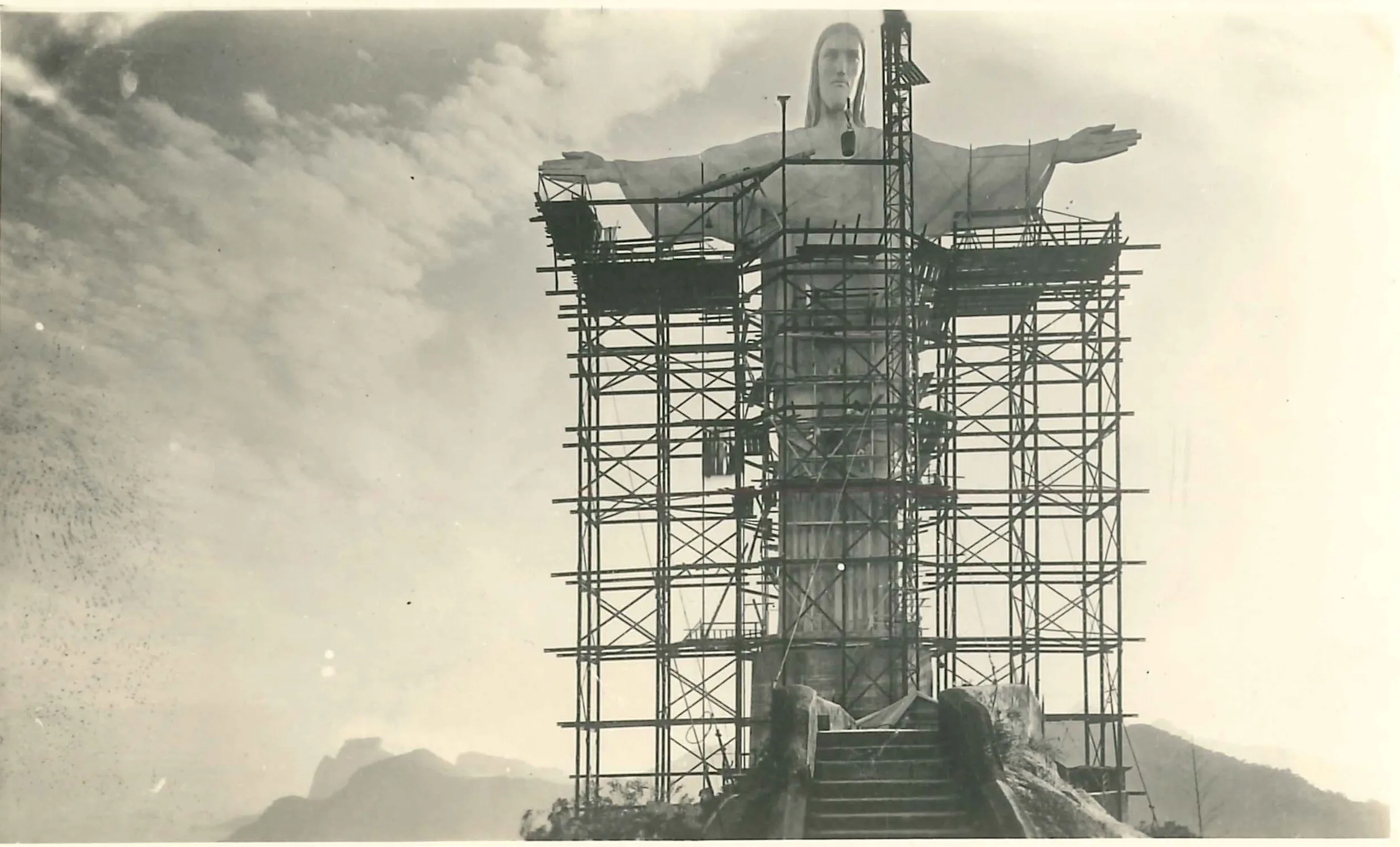
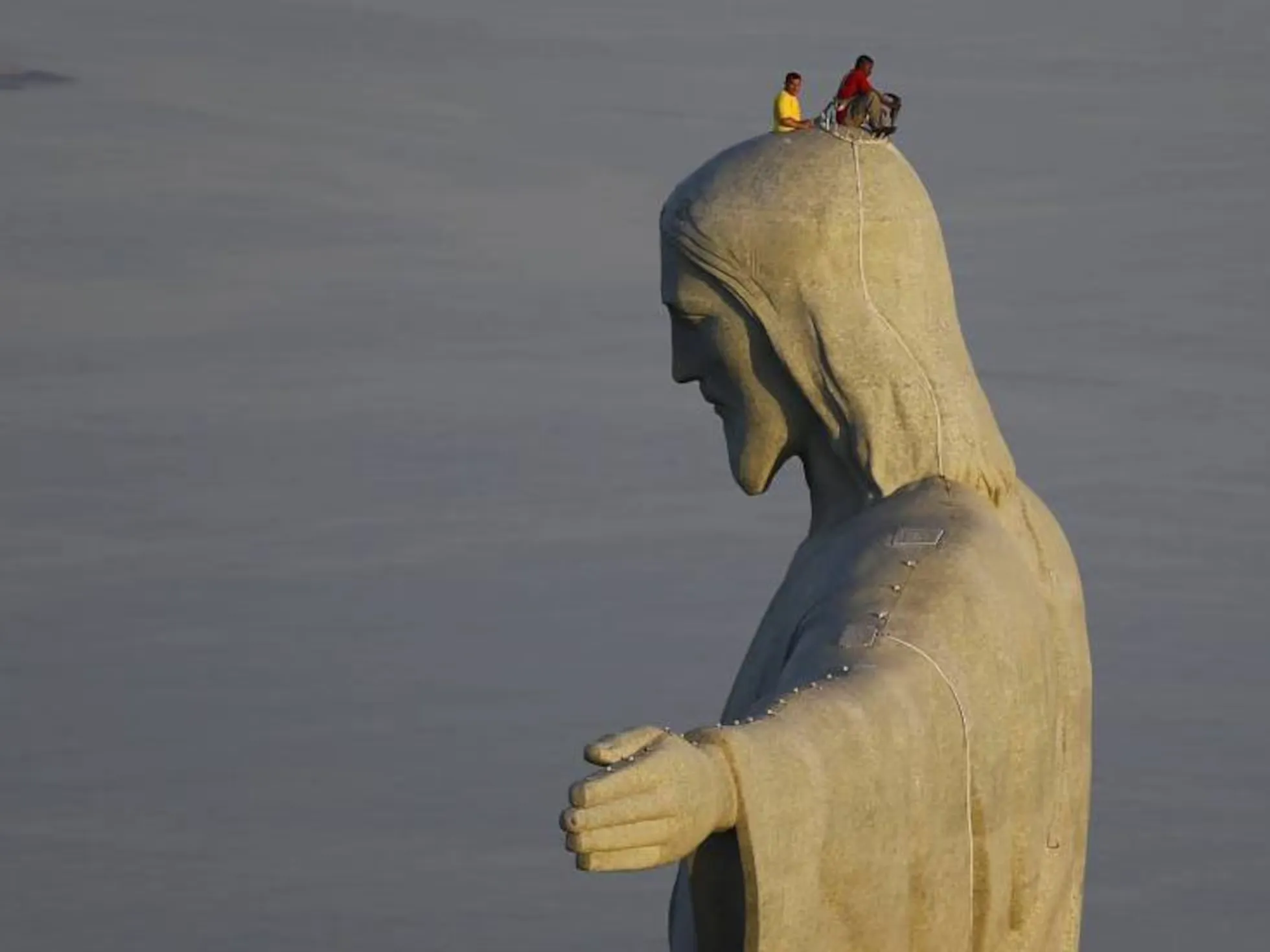
Construction at altitude in the early 20th century demanded logistics that still impress historians and engineers. Materials had to be transported up mountain routes, components assembled in exposed conditions, and specialized teams coordinated without modern digital tools. Weather delays were routine, and safety standards evolved over time as methods were tested in real conditions.
The craftsmanship behind the statue's finishing details is often underappreciated. Thousands of small soapstone tiles were placed by hand, many by skilled workers and artisans whose labor gave the surface its enduring character. This hand applied skin is not just decorative; it contributes to weather resistance while preserving the monument's recognizable softness. Seen up close, the texture reveals the human scale behind an object that from below looks almost abstractly monumental.
Inauguration and early public reaction
When Christ the Redeemer was inaugurated in 1931, it quickly drew national and international attention. Newspapers framed it as a triumph of faith, engineering, and modern Brazilian ambition. For many in Rio, the monument did not feel distant or ceremonial only; it entered daily visual life immediately, visible from neighborhoods, beaches, and transport corridors, becoming a constant presence rather than a one time spectacle.
Early visitors already described a familiar experience that still resonates today: the anticipation of ascent, the emotional shift when the statue first appears, and the sensation of seeing Rio from a new perspective. Even as the city expanded and changed around it, those core reactions remained consistent. In that sense, the inauguration was less the end of a project than the beginning of a recurring civic ritual repeated by millions.
How the monument shaped Rio's image
Over the 20th and 21st centuries, Christ the Redeemer became inseparable from Rio's global identity. Films, postcards, sports broadcasts, and news imagery repeatedly used the monument as shorthand for the city and often for Brazil itself. Very few landmarks worldwide carry this level of symbolic compression, where one silhouette can communicate geography, emotion, and cultural memory all at once.
At the same time, locals maintain more layered relationships with the site: religious devotion, family outing tradition, urban pride, and practical tourism economy. The monument is not only a global icon. It is also a workplace, a pilgrimage point, a conservation challenge, and a neighborhood reality for communities living in the mountain's shadow. Understanding that complexity makes a visit feel deeper than a checklist stop.
Crowds, safety & accessibility
As visitor numbers rose, infrastructure had to evolve from simple viewpoint management to full scale crowd operations. Entry windows, transport coordination, railings, monitored circulation zones, and multilingual assistance became central to daily operations. On busy days, movement at the summit is carefully choreographed to keep photo areas flowing while preserving safe distances near edges and stairs.
Accessibility has improved through elevators and escalators in key zones, though real world conditions still depend on maintenance and weather. For visitors with mobility concerns, advance verification remains important. The best outcomes happen when expectations are realistic: this is a mountain monument in active public use, so planning details in advance significantly improves comfort and confidence.
Tijuca Forest and environmental context
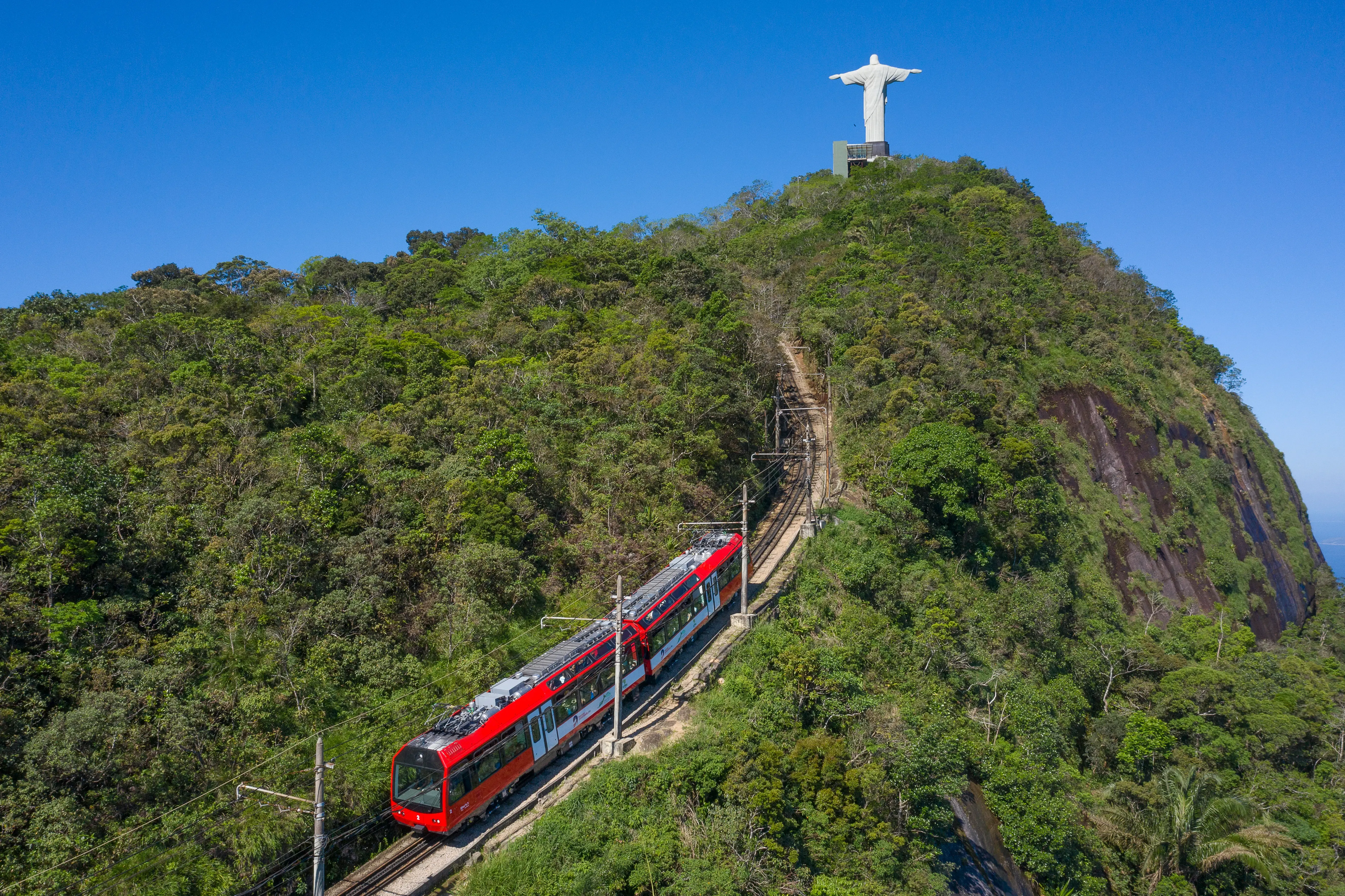
One of the most interesting facts about the Christ the Redeemer visit is that the monument sits within one of the world's largest urban forests. Tijuca National Park is not a decorative backdrop; it is an ecological system with native species, restoration history, and environmental importance for Rio's climate and water balance. The train journey through this vegetation is therefore part of a larger environmental narrative.
The forest visitors see today includes areas shaped by major reforestation efforts in the 19th century after extensive earlier deforestation. This history of ecological recovery adds another layer to the experience: you are not only witnessing a famous statue, you are also moving through a landscape where policy, science, and long term stewardship changed the city's future. Few major urban attractions combine iconic architecture and ecological history this directly.
Tickets, access models & smart planning
Modern access to Christ the Redeemer combines heritage transport traditions with digital booking systems. Time slotted tickets, QR validations, and managed boarding have improved predictability, but demand spikes still create pressure in peak periods. The most successful visit strategies are simple: book ahead, choose realistic time windows, and allow generous margins for weather and traffic.
Travelers often underestimate how much conditions can change within a few hours on Corcovado. A clear morning can turn cloudy by noon, and vice versa. Because of this, some visitors intentionally keep one flexible slot in their itinerary and prioritize the monument when visibility is best. Smart planning is less about rigid control and more about preserving room for adaptation.
Preservation, repairs, and lightning strikes
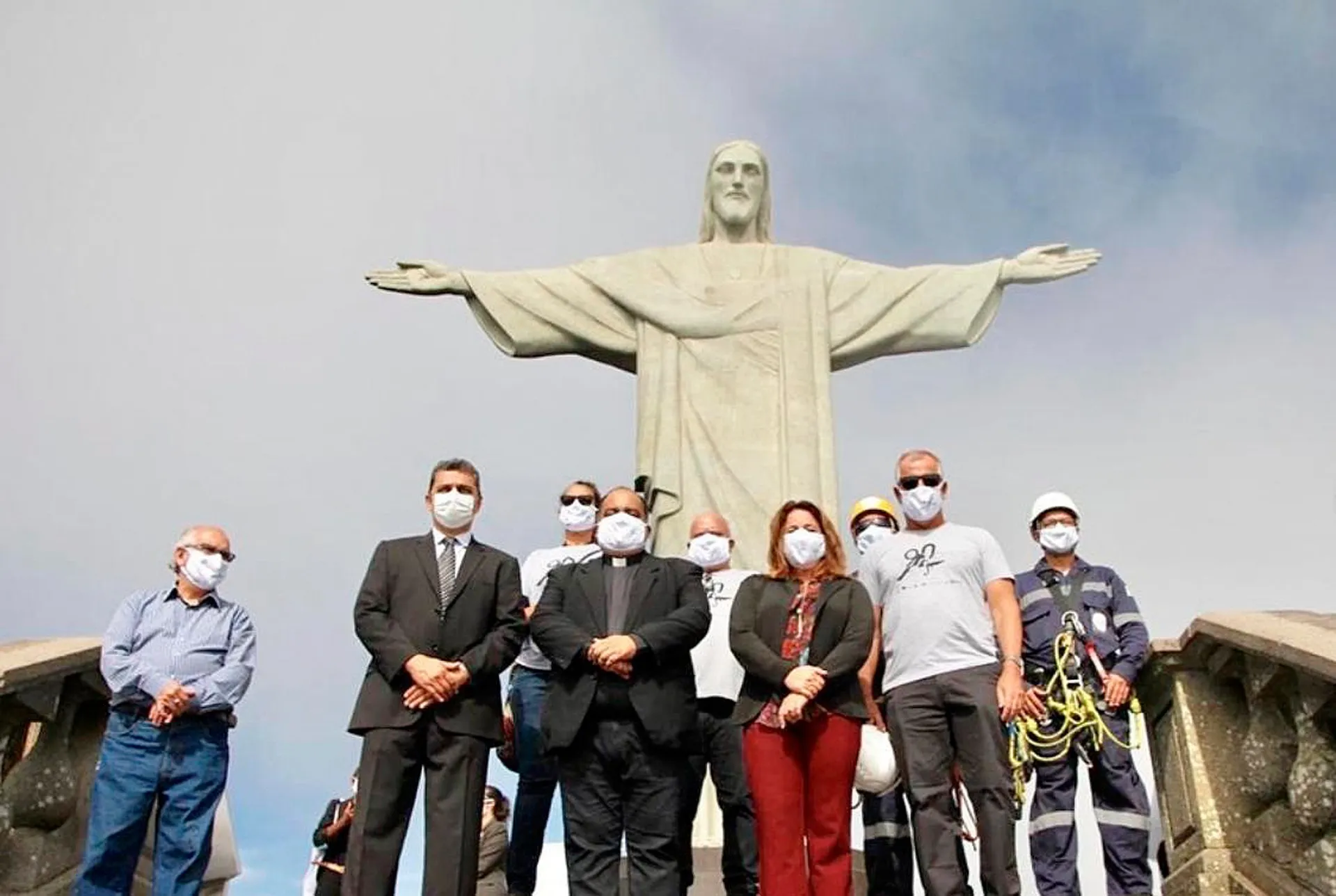
High altitude exposure, wind, rain, and frequent lightning make ongoing conservation essential at Christ the Redeemer. The monument has experienced visible weather related impacts over the years, including occasional damage to surface details. Maintenance teams conduct regular inspections, restoration work, and preventive interventions to preserve both structural safety and visual integrity.
These repairs are not signs of decline; they are proof of active stewardship. Every world landmark with heavy visitation and extreme weather requires periodic intervention. In Christ the Redeemer's case, the challenge is amplified by scale and location, yet the continued commitment to restoration is one reason the monument remains both accessible and meaningful for future generations.
Interesting facts visitors rarely hear
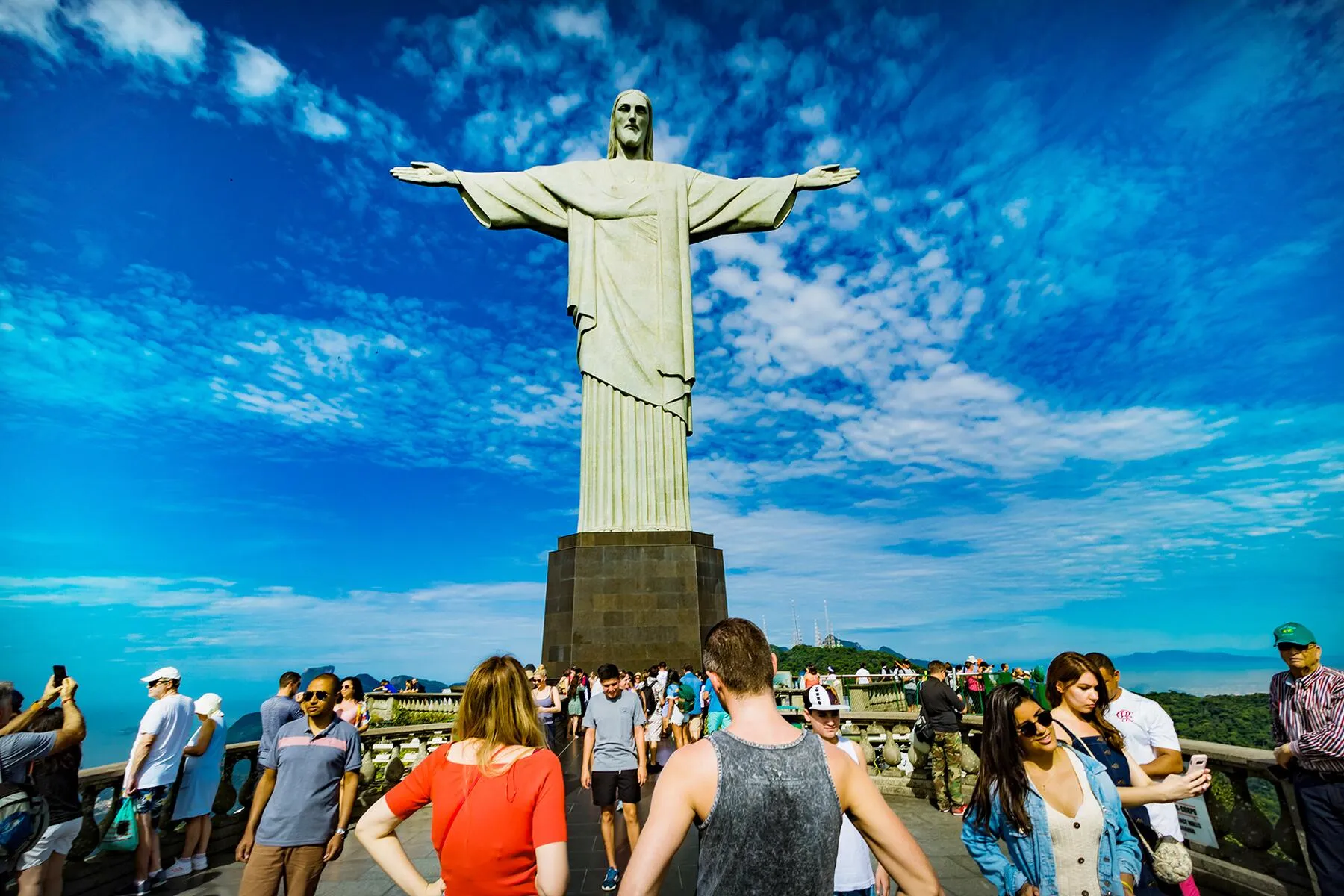
Many people know the statue's silhouette but not its material story. The soapstone outer layer was chosen partly because it handles weathering relatively well and allows delicate hand laid finishing. Another lesser known point is that the monument's visual balance depends heavily on the platform geometry and viewing distance; what appears perfectly proportioned from below is the result of careful scale decisions made during design.
Visitors are also often surprised to learn how emotionally varied the summit experience can be. On one day it is bright and celebratory, with endless visibility and energetic crowds; on another it is wrapped in cloud, quieter, almost contemplative. That unpredictability is not a flaw but part of Corcovado's character. The mountain, weather, city, and monument constantly reshape the same visit into different memories.
Why Corcovado still moves people today
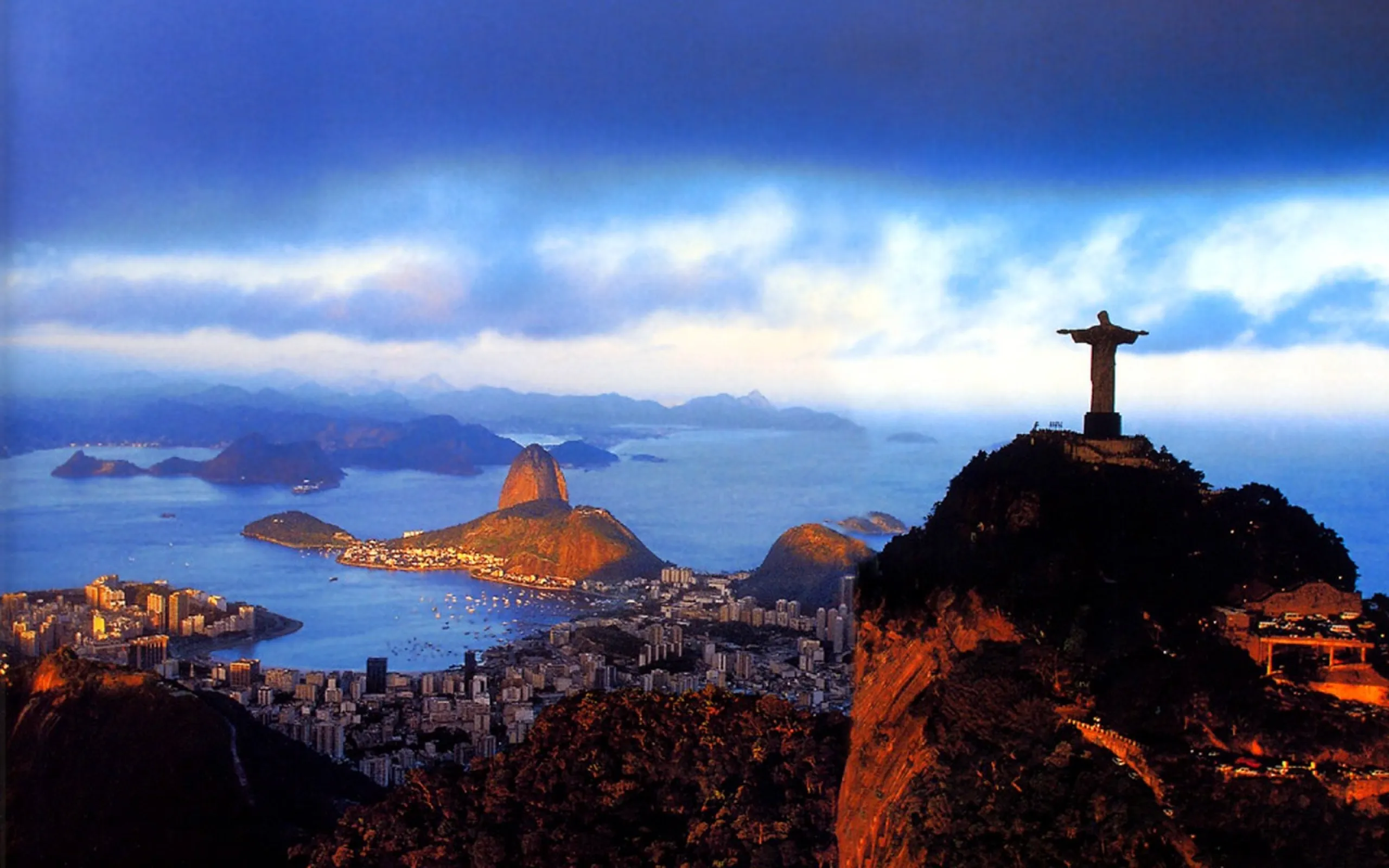
In practical terms, Christ the Redeemer is a major attraction with tickets, queues, logistics, and strict operating windows. Yet visitors consistently describe something beyond logistics: a sense of arrival that combines scale, symbolism, and landscape in a way that is difficult to replicate elsewhere. The monument's open armed form, set above a city famous for its contrasts, creates a visual metaphor people immediately understand even without words.
That is why the journey still matters. Riding up through forest, stepping onto the platform, and watching Rio spread below is not just a photo opportunity. It is an encounter with layers of history, craftsmanship, faith, and urban life that continue to evolve. Corcovado invites each visitor to read the city from above, then return to street level carrying a wider perspective.
Table of Contents
Before the statue: Corcovado in early Rio
Long before Christ the Redeemer stood with open arms above the city, Corcovado Mountain was already a powerful visual anchor in Rio de Janeiro. The mountain's distinctive silhouette appeared in paintings, travel accounts, and local memory as Rio grew from colonial port to imperial and then republican capital. Residents looked up to Corcovado as a marker of orientation and weather; sailors saw it as part of the dramatic natural amphitheater that signaled arrival in Guanabara Bay. In practical terms, the mountain was difficult terrain, thickly vegetated and steep, but symbolically it was always present, almost like a silent witness to the city's rapid transformations.
By the late 19th century, Rio was modernizing with rail projects, boulevards, and new civic ideas, and Corcovado increasingly shifted from distant backdrop to potential destination. The opening of mountain access routes and the development of railway technology made the once remote heights more reachable. What had been an admired landscape feature began to be imagined as a stage for something larger: a place where engineering, faith, and public identity could meet in a single gesture visible across the city.
The idea of a monument on the mountain
Proposals for a religious monument on Corcovado circulated in different forms over decades, reflecting the social and political debates of their time. After Brazil became a republic and church state relations changed, large public religious symbolism became a complex topic, yet the idea endured among Catholic groups and civic promoters who saw Corcovado as the ideal place for a unifying emblem. The eventual campaign gained momentum in the 1920s, when fundraising drives, parish support, and public enthusiasm began to align.
What is striking in retrospect is how the project blended devotion with nation building language. Supporters framed the future statue as both a spiritual beacon and a sign of modern Brazilian capability. It was not simply about placing stone on a mountain; it was about giving Rio an image that could be recognized instantly and interpreted emotionally by locals and visitors alike. That dual purpose helps explain why the monument became so iconic so quickly after completion.
Engineering the Corcovado Railway ascent
The railway up Corcovado, inaugurated in the late 19th century and later integrated into the monument experience, was an engineering achievement in its own right. Building a line through steep Atlantic Forest slopes required careful surveying, stable track design, and operational planning for weather and gradient constraints. Even today, riding this route gives visitors a physical sense of that challenge: the ascent is steady, the vegetation dense, and the city appears in fragments between trees.
An interesting fact many travelers miss is that the train predates the statue itself, meaning the mountain was already becoming a public excursion point before Christ the Redeemer was completed. That sequence mattered. Without reliable uphill transport, the monument would have felt more distant and less democratic. The railway effectively transformed the idea from symbolic dream to practical destination, allowing generations of residents, pilgrims, and tourists to share the same approach to the summit.
Designing Christ the Redeemer
The final design of Christ the Redeemer went through conceptual refinement before settling on the now famous figure with outstretched arms. Engineers, architects, and sculptors collaborated across disciplines, balancing artistic intention with structural realities of wind, altitude, and long term durability. The chosen form needed to be legible from far away while also maintaining grace up close, no small feat at this scale.
French Polish sculptor Paul Landowski is widely associated with the artistic development, while Brazilian engineer Heitor da Silva Costa played a central role in project conception and execution. The final outer finish used soapstone mosaic pieces, selected for resilience and visual texture. This surface treatment creates subtle tonal variation under changing light, which is one reason photos taken at sunrise, noon, and sunset can make the monument appear almost like three different sculptures.
Construction challenges and craftsmanship
Construction at altitude in the early 20th century demanded logistics that still impress historians and engineers. Materials had to be transported up mountain routes, components assembled in exposed conditions, and specialized teams coordinated without modern digital tools. Weather delays were routine, and safety standards evolved over time as methods were tested in real conditions.
The craftsmanship behind the statue's finishing details is often underappreciated. Thousands of small soapstone tiles were placed by hand, many by skilled workers and artisans whose labor gave the surface its enduring character. This hand applied skin is not just decorative; it contributes to weather resistance while preserving the monument's recognizable softness. Seen up close, the texture reveals the human scale behind an object that from below looks almost abstractly monumental.
Inauguration and early public reaction
When Christ the Redeemer was inaugurated in 1931, it quickly drew national and international attention. Newspapers framed it as a triumph of faith, engineering, and modern Brazilian ambition. For many in Rio, the monument did not feel distant or ceremonial only; it entered daily visual life immediately, visible from neighborhoods, beaches, and transport corridors, becoming a constant presence rather than a one time spectacle.
Early visitors already described a familiar experience that still resonates today: the anticipation of ascent, the emotional shift when the statue first appears, and the sensation of seeing Rio from a new perspective. Even as the city expanded and changed around it, those core reactions remained consistent. In that sense, the inauguration was less the end of a project than the beginning of a recurring civic ritual repeated by millions.
How the monument shaped Rio's image
Over the 20th and 21st centuries, Christ the Redeemer became inseparable from Rio's global identity. Films, postcards, sports broadcasts, and news imagery repeatedly used the monument as shorthand for the city and often for Brazil itself. Very few landmarks worldwide carry this level of symbolic compression, where one silhouette can communicate geography, emotion, and cultural memory all at once.
At the same time, locals maintain more layered relationships with the site: religious devotion, family outing tradition, urban pride, and practical tourism economy. The monument is not only a global icon. It is also a workplace, a pilgrimage point, a conservation challenge, and a neighborhood reality for communities living in the mountain's shadow. Understanding that complexity makes a visit feel deeper than a checklist stop.
Crowds, safety & accessibility
As visitor numbers rose, infrastructure had to evolve from simple viewpoint management to full scale crowd operations. Entry windows, transport coordination, railings, monitored circulation zones, and multilingual assistance became central to daily operations. On busy days, movement at the summit is carefully choreographed to keep photo areas flowing while preserving safe distances near edges and stairs.
Accessibility has improved through elevators and escalators in key zones, though real world conditions still depend on maintenance and weather. For visitors with mobility concerns, advance verification remains important. The best outcomes happen when expectations are realistic: this is a mountain monument in active public use, so planning details in advance significantly improves comfort and confidence.
Tijuca Forest and environmental context
One of the most interesting facts about the Christ the Redeemer visit is that the monument sits within one of the world's largest urban forests. Tijuca National Park is not a decorative backdrop; it is an ecological system with native species, restoration history, and environmental importance for Rio's climate and water balance. The train journey through this vegetation is therefore part of a larger environmental narrative.
The forest visitors see today includes areas shaped by major reforestation efforts in the 19th century after extensive earlier deforestation. This history of ecological recovery adds another layer to the experience: you are not only witnessing a famous statue, you are also moving through a landscape where policy, science, and long term stewardship changed the city's future. Few major urban attractions combine iconic architecture and ecological history this directly.
Tickets, access models & smart planning
Modern access to Christ the Redeemer combines heritage transport traditions with digital booking systems. Time slotted tickets, QR validations, and managed boarding have improved predictability, but demand spikes still create pressure in peak periods. The most successful visit strategies are simple: book ahead, choose realistic time windows, and allow generous margins for weather and traffic.
Travelers often underestimate how much conditions can change within a few hours on Corcovado. A clear morning can turn cloudy by noon, and vice versa. Because of this, some visitors intentionally keep one flexible slot in their itinerary and prioritize the monument when visibility is best. Smart planning is less about rigid control and more about preserving room for adaptation.
Preservation, repairs, and lightning strikes
High altitude exposure, wind, rain, and frequent lightning make ongoing conservation essential at Christ the Redeemer. The monument has experienced visible weather related impacts over the years, including occasional damage to surface details. Maintenance teams conduct regular inspections, restoration work, and preventive interventions to preserve both structural safety and visual integrity.
These repairs are not signs of decline; they are proof of active stewardship. Every world landmark with heavy visitation and extreme weather requires periodic intervention. In Christ the Redeemer's case, the challenge is amplified by scale and location, yet the continued commitment to restoration is one reason the monument remains both accessible and meaningful for future generations.
Interesting facts visitors rarely hear
Many people know the statue's silhouette but not its material story. The soapstone outer layer was chosen partly because it handles weathering relatively well and allows delicate hand laid finishing. Another lesser known point is that the monument's visual balance depends heavily on the platform geometry and viewing distance; what appears perfectly proportioned from below is the result of careful scale decisions made during design.
Visitors are also often surprised to learn how emotionally varied the summit experience can be. On one day it is bright and celebratory, with endless visibility and energetic crowds; on another it is wrapped in cloud, quieter, almost contemplative. That unpredictability is not a flaw but part of Corcovado's character. The mountain, weather, city, and monument constantly reshape the same visit into different memories.
Why Corcovado still moves people today
In practical terms, Christ the Redeemer is a major attraction with tickets, queues, logistics, and strict operating windows. Yet visitors consistently describe something beyond logistics: a sense of arrival that combines scale, symbolism, and landscape in a way that is difficult to replicate elsewhere. The monument's open armed form, set above a city famous for its contrasts, creates a visual metaphor people immediately understand even without words.
That is why the journey still matters. Riding up through forest, stepping onto the platform, and watching Rio spread below is not just a photo opportunity. It is an encounter with layers of history, craftsmanship, faith, and urban life that continue to evolve. Corcovado invites each visitor to read the city from above, then return to street level carrying a wider perspective.